
Char Dham Winter Closing: Mistakes Late Pilgrims Make
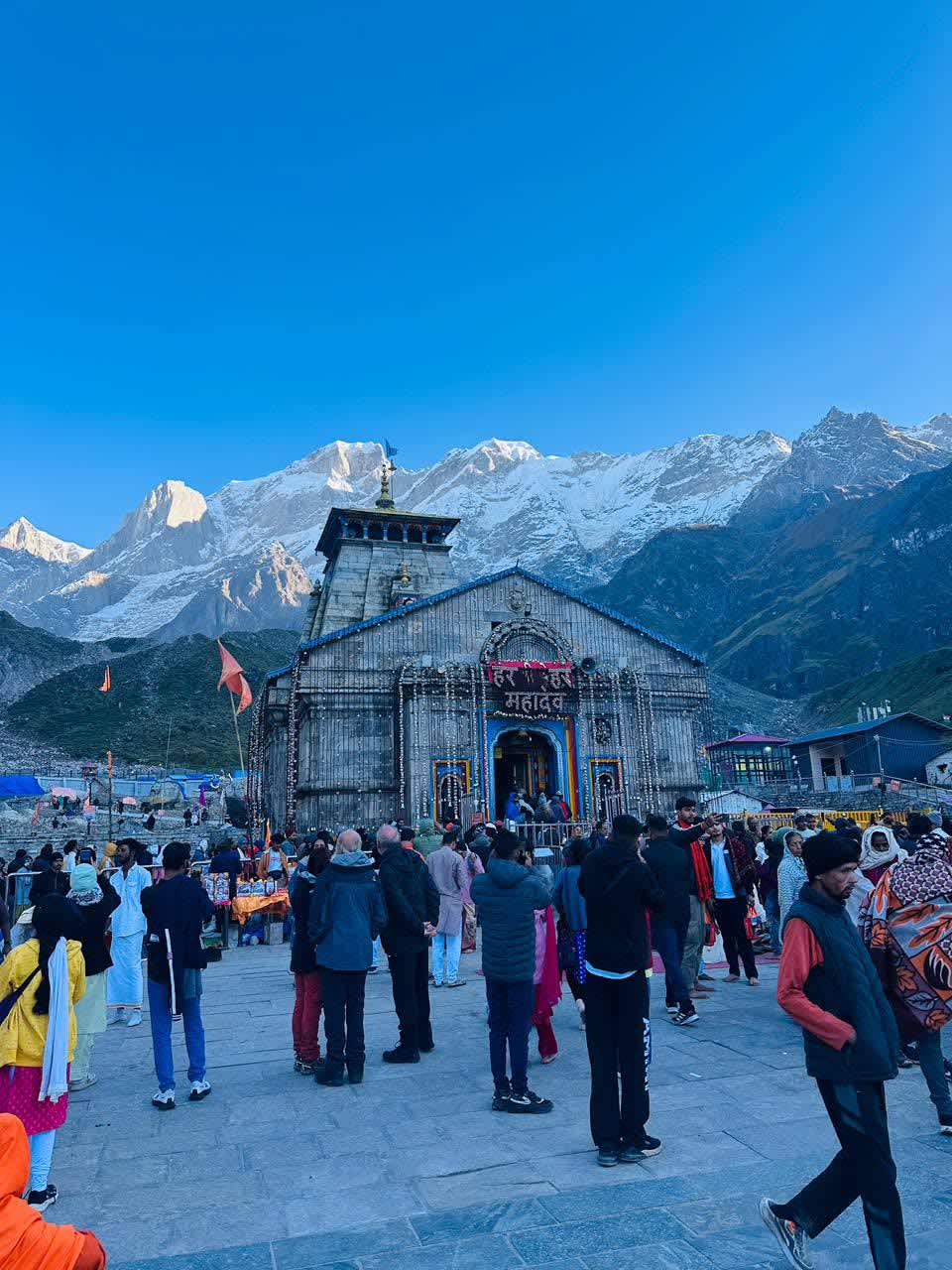
By the first week of November the shared jeeps at Rishikesh are running the wrong way. All summer they climb — families with steel tiffins, groups in matching caps, the odd foreigner wedged by the window. Then the direction reverses. The full vehicles are the ones coming down: shopkeepers from Gaurikund with their shutters' padlocks in a jute bag, temple staff, ponies walking the bridle path in single file, a whole season folding itself up and descending.
Down here in the Doon valley the phone starts ringing around now. A cousin in Delhi, an uncle in Sharjah, someone's daughter in New Jersey who has leave in the third week of November. The question is always the same, and the answer is usually the one nobody wants: no, not this year.
It is worth understanding why, because the reasons are not bureaucratic. They are about weather, altitude and a set of dates that have never been anybody's to fix.
"The closing dates are fixed, I'll look them up"
They are not fixed, and looking them up in August gets you a guess.
Each dham's kapat-closing date is set by panchang and announced fresh each year — Badrinath's traditionally declared on Vijayadashami, which in 2026 falls on Tuesday, 20 October. Until that announcement, every date circulating online is a projection from the lunar calendar, usually a good one, but a projection.
The dates being worked to for this season are:
- Gangotri — Tuesday, 10 November 2026, on Annakut / Govardhan Puja
- Yamunotri — Wednesday, 11 November 2026, on Bhai Dooj
- Kedarnath — Wednesday, 11 November 2026, on Bhai Dooj
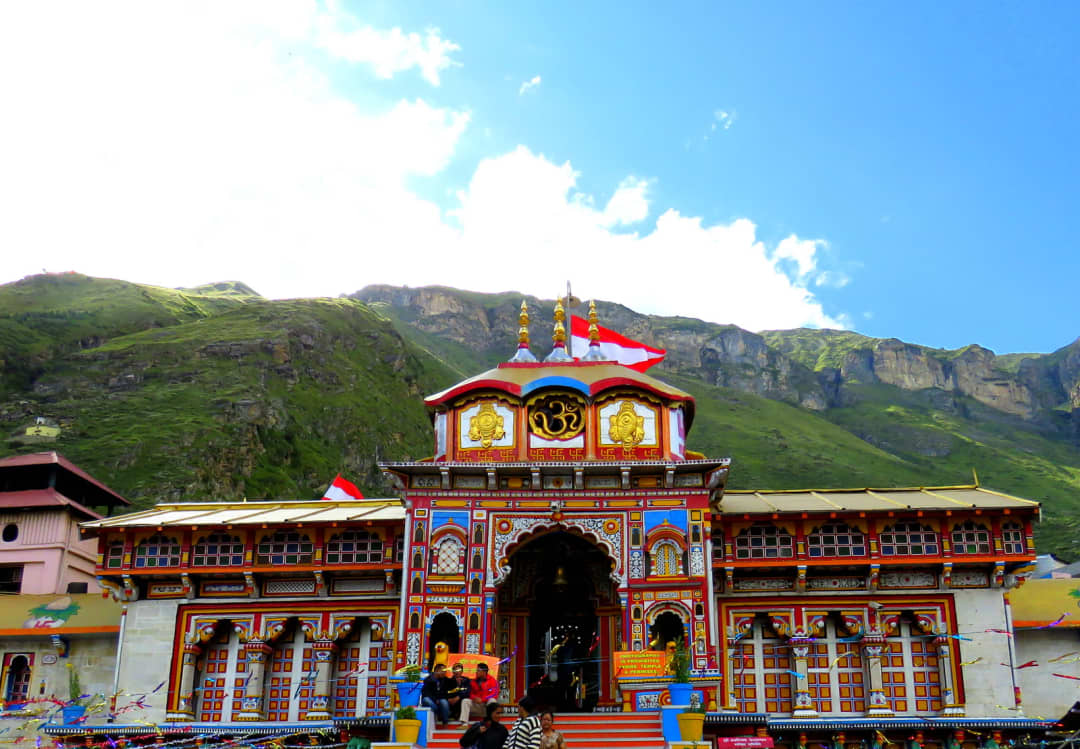
- Badrinath — Friday, 13 November 2026
Notice that three of the four are pinned to festivals rather than to a number. Gangotri closes on Annakut; Yamunotri and Kedarnath on Bhai Dooj. The date moves because Diwali moves — this year Diwali is Sunday, 8 November — and the shrine calendar follows the festival, not the other way round.
Instead: treat these as firm-but-confirmable. Book what you can cancel, and check the Badrinath–Kedarnath Temple Committee's word after Vijayadashami before anything becomes non-refundable. Weather has shifted a closing before.
"They all shut at once, so I have until the 10th"
The four dates span four days, which sounds like a comfortable window and is not one. The distances are the problem. Yamunotri and Gangotri sit in one river system, Kedarnath and Badrinath in another, and moving between them is a full day of mountain road each time — longer if there is a slide.
Someone arriving on 9 November has not bought themselves all four dhams. They have bought one, possibly two if everything holds. A late-season Char Dham circuit in its proper form needs to start in the last week of October.
"Closing day will be the most special darshan"
This is the one that surprises people. Closing day draws the largest crowd of the late season, and the day is given over to the ceremony of departure rather than to ordinary darshan. The rituals run long, the sanctum is occupied with them, and the queue behind you is at three and a half thousand metres in November.
Instead: if the ceremony itself is what draws you, go for the ceremony and accept that you are attending an event, not making a quiet visit. If it is darshan you want, come a week earlier when the temple is still working normally and half the crowd has already gone home.
"It was warm in Dehradun this morning"
Dehradun sits at roughly 640 metres. Kedarnath is at about 3,583. Badrinath is near 3,300, Yamunotri about 3,293, Gangotri around 3,100.
That gap is the whole story. This valley can be pleasant enough for a cotton kurta in the second week of November while the ice in the temple courtyard above never melts out of the shade all day. First snow at Kedarnath routinely arrives before the kapat close — sometimes weeks before. The sixteen kilometres up from Gaurikund are done partly in the dark, and a helicopter booking is a weather-dependent promise, not a ticket.
Instead: pack as though for a Himalayan winter, not an Indian autumn. Wool or fleece in layers, something windproof, a cap, gloves, and a second pair of socks kept dry in a bag. People come off that walk shivering every single season, and it is nearly always the socks.
"Once the doors shut, worship stops for six months"
This is the misunderstanding worth correcting most, because the opposite is true, and the truth is lovelier than the assumption.
When the kapat close, the deity does not stay behind in the snow. The utsav murti travels down by palanquin to a winter seat, and daily worship simply continues there, performed by the same priests, on the same schedule, for the whole six months:
- Kedarnath descends to the Omkareshwar temple at Ukhimath, travelling down by way of Guptkashi.
- Badrinath moves to the Narasimha temple at Joshimath, with Pandukeshwar also holding a share of the winter rites.
- Gangotri's Ganga goes to Mukhba, about an hour below the main temple.
- Yamunotri's Yamuna goes to Kharsali, just across the river from Janki Chatti.
The palanquin journeys are public. Villages line the road, the procession is met and fed and sent onward, and the whole thing happens in the cold clear light of mid-November. It is a detail worth sitting with when names get used commercially — the four dham names we put on our own incense are, for half of every year, the names of four ordinary Garhwali villages with a god in residence.
"The winter seat is a consolation prize"
It is not, and treating it as one is how people miss the better trip.
Ukhimath, Joshimath, Mukhba and Kharsali are low, road-accessible and warm enough to stand still in. There is no sixteen-kilometre climb and no queue barrier. Between December and April you can stand in front of Kedarnath's utsav murti for as long as you want, on a weekday, in a courtyard with perhaps twenty other people in it. Kharsali has its old Someshwar Mahadev temple in the same village; Joshimath has Adi Shankara's seat and the Kalpavriksha.
For a family that cannot manage altitude — elderly parents, small children, anyone with a heart or breathing condition — the winter circuit is not the lesser version. It is the version that is actually available to them, and it carries the same worship.
The lamp that stays
Before the doors at Badrinath are sealed, the akhand jyoti is lit with ghee, and the image is wrapped in a ghrit kambal — a blanket of raw wool woven by the women of Mana, the village above the temple, and smeared with clarified butter. Tradition holds that the lamp burns through all six months in the sealed, snowed-in sanctum, and that the first thing the rawal looks for when the doors open again in spring is that flame.
Whether a lamp can burn six months behind a sealed door is not really the question people are asking when they tell that story. The story is about continuity — about somebody having thought to leave a light on before walking down the mountain for the winter.
That is a modest thing to carry home from all this. The shrines close and the worship does not. It only moves somewhere warmer and quieter, which is more or less what a household does too, when the mornings turn cold and the lamp gets lit indoors instead of on the step.


