
Chaturmas: What the Four Months Actually Ask of You
Every year at about this time my mother-in-law says the same sentence, and every year it lands like a door quietly closing somewhere in the house. "Bas, have chaturmas aavi gayo." Now Chaturmas has come. She says it the way you would announce that the shops are shutting for the season.
She is not wrong about the calendar. Chaturmas begins on Devshayani Ekadashi, which this year falls on Saturday 25 July 2026, and it runs until Prabodhini Ekadashi — and that end date splits. The Ekadashi tithi opens at 7:15 on the morning of Friday 20 November 2026 and closes at 6:31 the next morning, so most Smarta households keep it on the Friday while Vaishnavas keep Gauna Devutthana Ekadashi on Saturday 21 November, which is also the day Tulsi Vivah falls. Four months, give or take the one day your family almanac decides. Inside that stretch a great many families will not hold a wedding, will not do a griha pravesh, will not fix a muhurat to open a shop, will not get a child's mundan done.
What I want to argue is that the sentence is correct and the tone is wrong.
What everybody believes
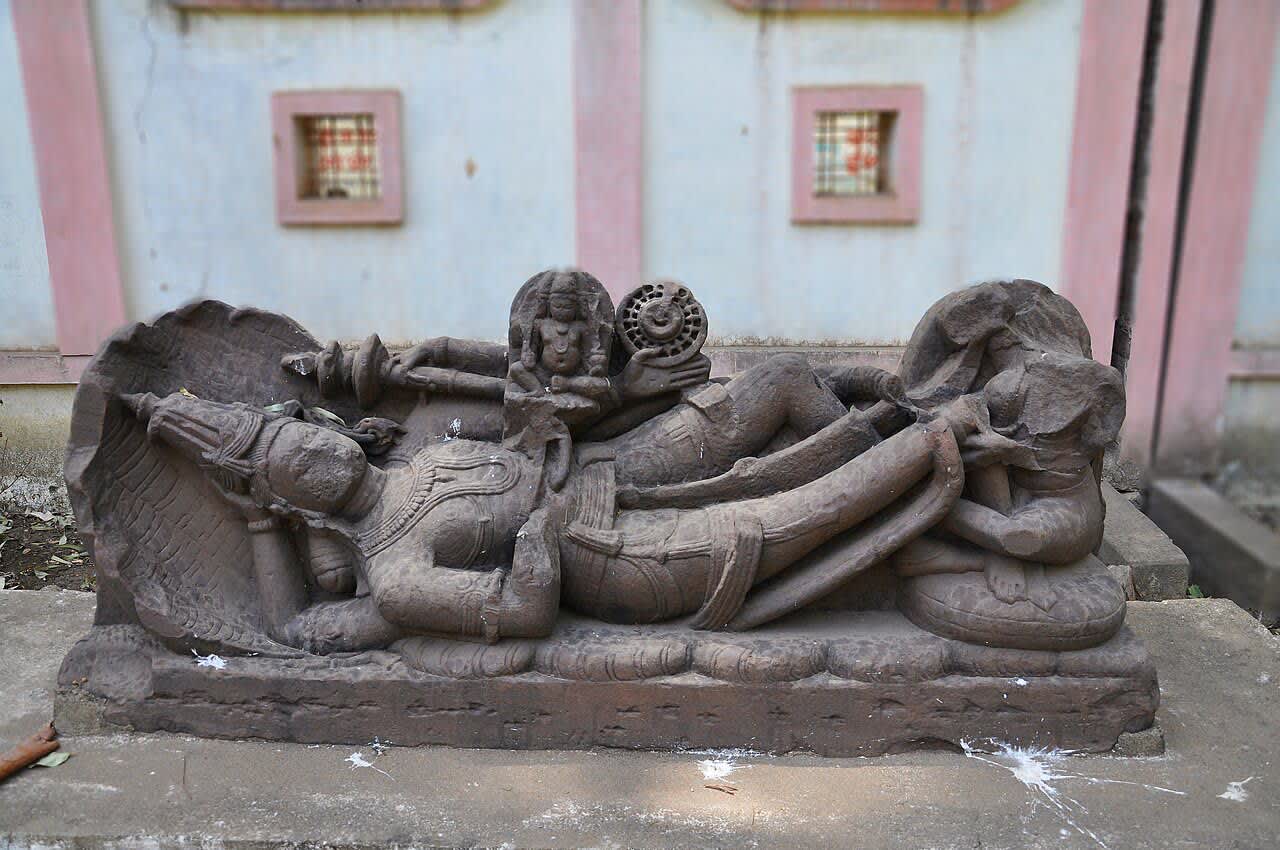
The common understanding runs like this. Vishnu goes to sleep — yoga nidra, reclining on Shesha in the ocean of milk. While he sleeps there is no presiding deity awake to witness a vow. So the large undertakings, the ones that need a divine witness and a fixed auspicious moment, are held back until he wakes in Kartik.
You can see why this reads as a dead zone. If you have a daughter to marry or a flat to move into, someone has just told you to wait until nearly December. In my extended family this is the season of postponed announcements — the engagement that is "decided but we will do it after", the new office that is rented and sitting empty because nobody will open the shutter on a Chaturmas morning.
Taking the belief seriously first
I want to give this its full weight before I disagree with any part of it, because a lot of people my age wave the whole thing away as village superstition, and that is lazy.
First, the restriction is genuinely in the tradition. It is not something grandmothers invented to keep expenses down. It sits in the panchang, priests will not give you a wedding muhurat inside it, and it is observed across regions and communities that agree on very little else. If your standard for taking a practice seriously is that it be old, widespread and consistent, this passes.
Second, the reasoning is coherent on its own terms. If you hold that a marriage is a vow made in front of a witness and not a contract between two families, then caring about who is awake to witness it is not irrational. It follows from the premise. You may not share the premise. Do not pretend the conclusion does not follow from it.
Third, the practical case is strong and always was. A Gujarati wedding is four hundred people, an outdoor mandap, a cook working from four in the morning and relatives arriving by road from three districts. Try that in August. The fields are being sown, so the people you would need are working; the roads are the worst they will be all year; and every rented tent in the state is a liability. For most of the history of this custom, "wait for Kartik" was simply the only sane logistics advice available.

And fourth — the part I think even the sceptics should concede — a calendar that says no to something is doing real work. We now live in a year with no closed season at all. Everything is available, all the time, and the result is not that we do more meaningful things. It is that nothing has an edge.
Where I think it is misread
Here is where I part ways, and it is not with the rule. It is with one word.
The word people reach for is inauspicious. Four inauspicious months. I do not think that is what the tradition actually says, and the evidence is sitting right there in the calendar.
Look at what falls inside these four months. The whole of Shravan and its Mondays. Nag Panchami. Raksha Bandhan. Janmashtami. Ganesh Chaturthi, which where I live is not a small thing. Paryushan. Navratri, all nine nights. Dussehra. Karva Chauth. And Diwali — every day of it — sits inside Chaturmas too, because the season does not end until the Ekadashi that follows.
That is not a dormant stretch of the year. That is the densest religious calendar we have. If Chaturmas were genuinely a period when the sacred withdrew, it would be the emptiest four months on the panchang, and instead it is the fullest.
So the rule is much narrower than the mood around it. What is set aside is a specific short list: marriage, housewarming, thread ceremony, the formal beginnings. What is not set aside is worship, festival, fasting, charity or study. Nothing in Chaturmas asks you to do less. Read honestly, it asks the opposite.
Then there is the practical layer, which I find more persuasive the older I get. Notice who else keeps a monsoon rule. Jain monks and nuns stop travelling for exactly this span and settle in one town — it is why the upashrays here fill from now, and why a sadhvi you saw walking through Paldi in May will be in one place until Kartik. Buddhist monks keep vassa, the rains retreat, over the same months. The stated reason is not that the sky has turned unlucky. It is that the ground is crowded with life in the rains — insects, sprouting seed, small creatures everywhere — and a person walking hundreds of kilometres through it will destroy a great deal without ever meaning to. Stay still and you do less harm.
The body is in there too. The classical texts treat the monsoon as the season when digestion is at its weakest, which is exactly why the Chaturmas vows are so often food vows rather than anything grander. Give up leafy greens. Give up curd at night. Eat once a day. These are not arbitrary penances; they are a seasonal operating manual that got handed down inside a religious frame because that was the frame available.
What it actually asks of you
Strip it back and Chaturmas asks for one thing: a niyam. Something chosen, given up, and kept for four months.
In my house my father-in-law gives up green vegetables for the whole stretch, every year, without commentary. My neighbour gives up sugar. A cousin who says she cannot manage a food vow gives up complaining about her office instead, and reports that it is significantly harder.
The size of the thing is not the point. The point is that you chose it in July and you are still keeping it in November, through Janmashtami and through Diwali, when nobody is watching and there is no festival that day to carry you.
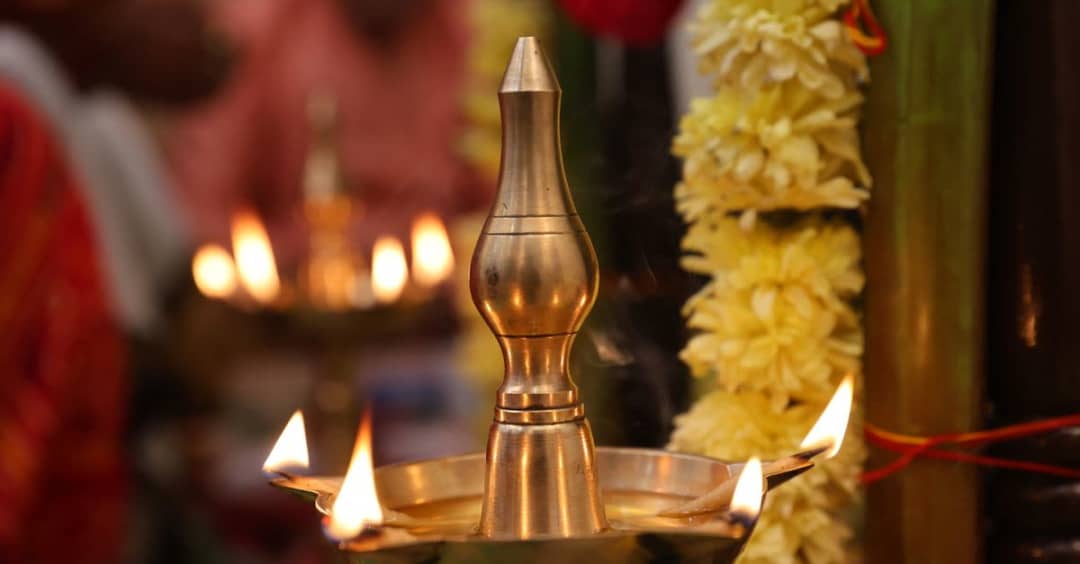
And then there is the lamp. If you keep only one practice for these months, make it the evening one — the lamp lit at dusk and a stick of incense with it. This season suits it in a very ordinary, unmystical way: the light goes early, the rain shuts everybody indoors anyway, and there is already a half-hour sitting there that nothing else has claimed. We make ours in Samastipur, in Bihar, where these same four months are the hardest of the working year — hand-rolled sticks want slow, dry, moving air and the monsoon gives you none of it, so the workshop bends its rhythm around the rain exactly the way the rest of the calendar does.
So here is what I actually think
The old sentence is right about the facts and wrong about the mood.
Do not fight the restriction. It is real, it is coherent, and the logistics behind it have not stopped being true. If the wedding can wait for Kartik, let it wait for Kartik.
But do not accept "four months of nothing", because that is a straightforward misreading of a calendar anyone can look at. What the tradition set aside was the noise — the four hundred guests, the tent, the convoy of cars. What it left standing was everything quieter: the fasting, the reading, the giving, the lamp at dusk, the one small thing you said you would stop doing and then actually stopped doing.
It is not a season of waiting. It is a season that has had the biggest, loudest events deliberately cleared out of it so that something slower has room.
Devshayani is on Saturday. There is time to pick your one thing.


