
Does Fragrance Actually Calm You — or Is It the Pause?
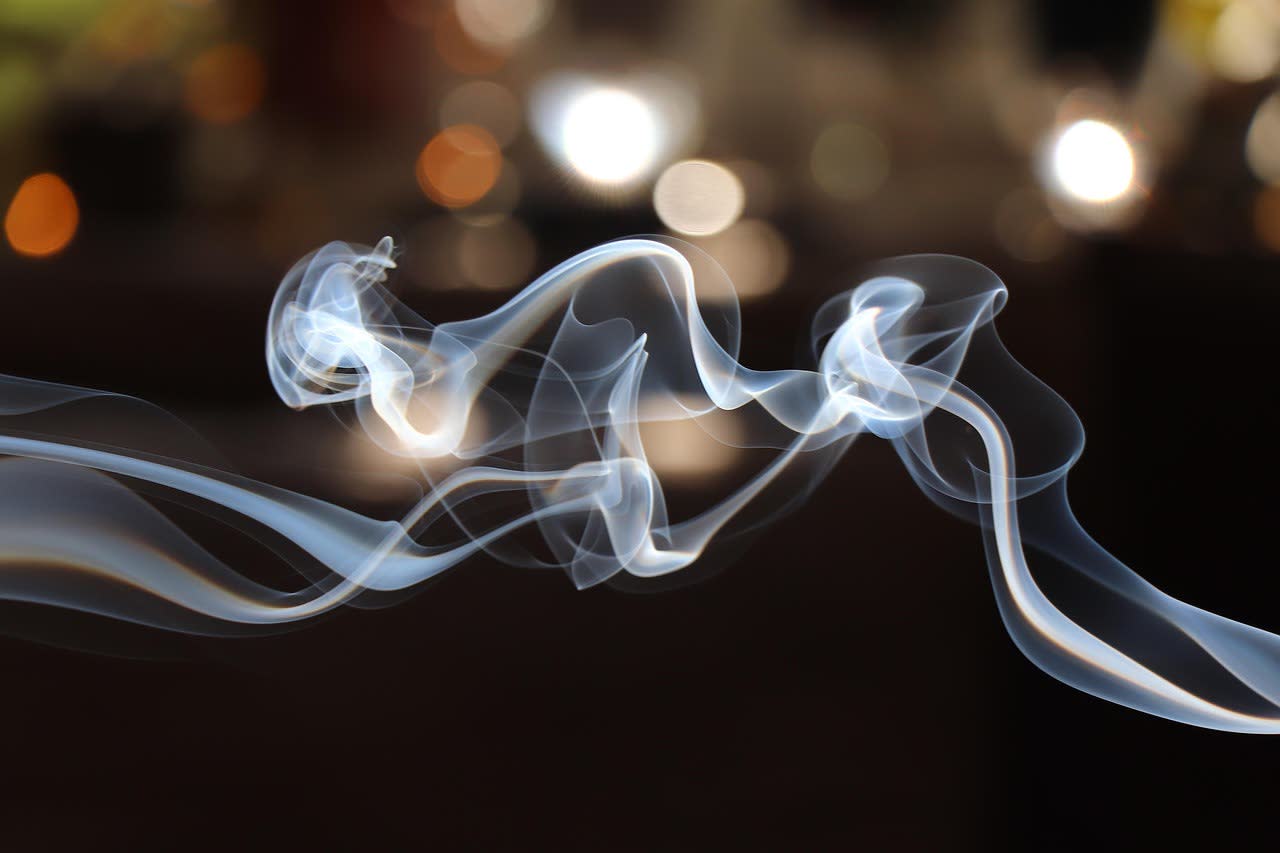
Here is a claim you have probably heard, possibly made yourself: "I burn incense and it helps me relax."
I believe you. But I want to push on it slightly, because there are actually two different things that statement could mean — and knowing which one is true for you changes how you use scent, and whether you are getting the most out of it.
The claim is that fragrance itself calms you down. The competing claim is that stopping to light a stick and sitting with it for a few minutes is what calms you down, and the scent is incidental — a pleasant companion to something that would have worked anyway.
Both are defensible. Both are partially right. Here is what the evidence actually looks like.
The case for fragrance
The olfactory system is unusual. Smell is the only sense that routes signals directly to the limbic system — the part of the brain that handles emotion and memory — before they get to the prefrontal cortex where reasoning happens. Every other sense goes through a relay first. Smell does not.
This means a scent can trigger an emotional response before you have consciously registered what you are smelling. You catch a whiff of something and feel a shift in mood a beat before you think "oh, that's jasmine." That is not placebo. That is anatomy.
There is also a conditioning effect. If you have burned sandalwood before every meditation session for two years, your nervous system has learned: this smell means we are slowing down now. It becomes a genuine cue, like a Pavlovian trigger, that shifts you into a different state. The scent is doing something real — it is activating an association you built deliberately or accidentally.
Research on lavender specifically shows measurable reductions in cortisol and heart rate in controlled settings. The effect is modest, not dramatic, and it does not work uniformly for everyone. But it is not zero.
The case for the pause
Now the other side.
Most people do not light incense and then keep rushing around the flat. They light it, and they sit. Or they light it as part of a sequence — turning off screens, making tea, finding a cushion. The act of preparing for calm is itself calming. And that sequence would probably work without the scent.
There is a category of stress research called "transition rituals" — deliberate acts that mark the boundary between one mode and another. Washing your hands before sitting down to work. Changing out of work clothes immediately when you get home. Taking three breaths at the door. These rituals work not because of their specific content but because they function as a psychological full stop. The brain gets a signal: that part is done, this part is beginning now.
Lighting incense is an excellent transition ritual. It involves touch, sight, smell, and a few seconds of focused attention. It is almost purpose-built for the job. The question is whether the fragrance is essential to that, or whether you are primarily benefiting from the ritual structure and the scent is a bonus.
My honest read: for most people who are new to using scent deliberately, it is mostly the pause. For people who have built a genuine association over time, the fragrance starts to carry real weight on its own.
What this means practically
If you are trying to build a calming practice, this is useful to know because it tells you where to put your effort.
Do not spend much energy finding the "correct" calming scent. The literature on lavender, sandalwood, chamomile, and so on shows real but modest effects. The differences between these scents in their direct calming action are small. What matters more is consistency — using the same scent repeatedly for the same purpose, so you build the association.
Build the ritual deliberately, not just the scent habit. If you light incense while still checking your phone, you are probably not getting the benefit of either the scent or the pause. The pause has to be an actual pause. Two minutes of genuinely doing nothing except noticing the smoke is worth more than twenty minutes of burning incense in a background sort of way.
Match the scent to the association you want. If you want something to mark the end of the workday, do not use the same fragrance you burn in the morning. Reserve one scent for one context. Over time, that scent will start to feel like the thing itself — evening, rest, switching off — not just a nice smell.
The signature fragrance range at Mahamaya includes options like loban and chandan that work well for this kind of consistent pairing, though the principle holds regardless of what you burn.
If the fragrance stops working, the ritual matters more than the scent. A common complaint: "I burned lavender for months and now it does nothing." What happened is that the association has become too diffuse. You used it for too many different situations. The fix is not to find a new scent. It is to rebuild the ritual more carefully.
The verdict
So: does fragrance calm you, or is it the pause?
Both, in different proportions for different people. If you have never built a deliberate scent ritual, you are mostly benefiting from the pause, and that is fine — the pause is valuable. If you have been consistent over months, the fragrance itself is carrying genuine weight, activating a real physiological response and a trained association.
The useful thing to know is that the pause is the more essential ingredient. Scent amplifies it and, over time, becomes a reliable shortcut to the state the pause creates. But you cannot skip the pause and expect the scent to do it for you.
Two minutes. Sit. Watch the smoke. The rest follows.


