Ganesh Chaturthi Mistakes and What to Do Instead
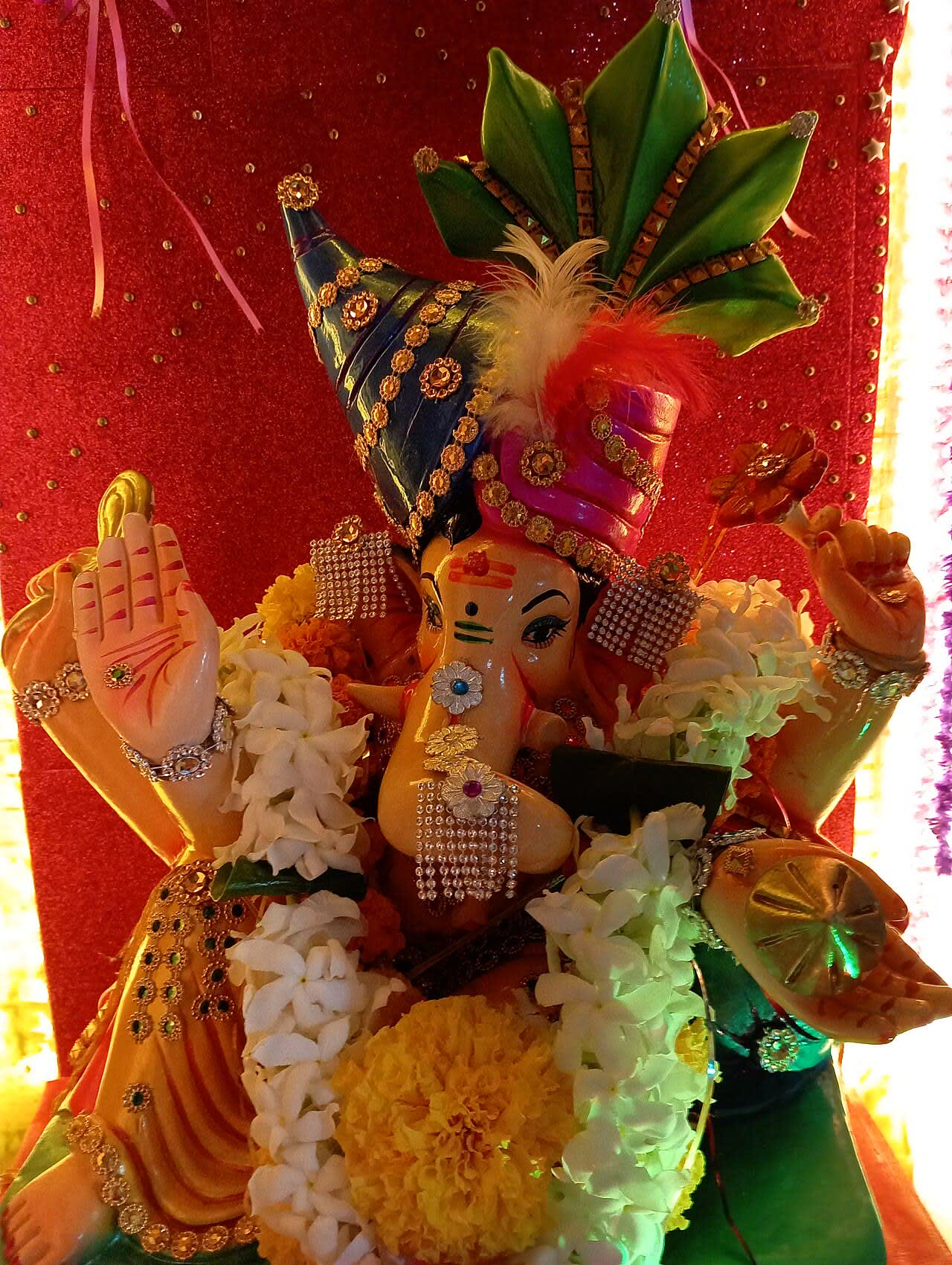
The first Ganpati I ever loved was not ours. It belonged to the Kulkarnis, two doors down from us in Ludhiana, and every year around this time a small stage would appear in their front room with a clay Ganesha sitting on it, wearing marigolds and looking pleased with himself. We are a Punjabi household; nobody in my family could have told you the first thing about Bhadrapada or Anant Chaturdashi. But Aunty Kulkarni fed half the colony modak for ten days straight, and by the time I was ten I knew the aarti better than some of the people whose festival it actually was.
What I also saw, watching year after year, was how many families do the same few things slightly wrong — not out of carelessness, but because nobody ever says it out loud. Ganesh Chaturthi has become huge, especially now that so many of us live far from the cities where it grew up. The idols get bigger, the decorations get louder, and somewhere in the rush a few simple things slip. This year the festival begins on 14 September, so there is time to get them right before Bappa arrives.
None of what follows is about rules or fear. Ganesha is the most forgiving guest a house can have. But these are worth setting straight.
Leaving the idol to the last two days
This is the big one, and it decides half of everything else. People wait until the day before, walk into the nearest shop, and buy whatever is left — which is almost always a plaster-of-Paris idol, painted in bright chemical colours because those are what sell and what survive shipping.
The trouble is that plaster does not dissolve. When it goes into a lake or the sea at visarjan, it sits there for years and takes the paint with it. Many cities have started restricting these idols for exactly that reason. A clay idol — shadu clay, the natural brown kind — dissolves back into water in minutes, the way the whole ritual is meant to.
The fix is only to decide early. A week or two ahead, ask for a natural clay Ganesha, unpainted or painted in natural colours. They are usually smaller and quieter-looking than the glossy ones, and they are exactly right. If you order one made locally, you also get the far nicer feeling of a Ganpati that somebody's hands actually shaped, rather than one poured into a mould by the thousand.
Thinking a bigger idol means more devotion
Somewhere along the way, size crept in. The public pandals compete every year to be taller, and that spirit sneaks into the home too — the feeling that a small Ganesha is somehow not enough, that a serious family brings home a serious idol.
It is the wrong measure. The tradition itself points the other way: for a home, an idol no taller than your palm or your forearm is plenty, and easier in every way that matters. It fits the shelf you already have. You can bathe it, dress it and carry it to the water yourself, without three people and a trolley. And a modest clay Ganpati, well looked after for ten days, holds far more warmth than a giant one that dominates the room and terrifies everyone into keeping their distance.
Getting the thali right but forgetting the durva
People will spend real money on flowers and sweets and then miss the two things Ganesha actually asks for. The first is durva — the little three-bladed grass, offered in small bunches, traditionally twenty-one of them. There is a whole story about why he prizes it above gold; the short version is that it is humble, and he values it more for that. If your offering has flowers but no durva, it is missing the one leaf that is really his.
The second is the modak. Yes, it is his favourite sweet, and no, a shop laddoo is not quite the same thing, though he will not complain. If anyone in the house can steam a few rice-flour modak with a coconut-and-jaggery filling, even once across the ten days, it changes the whole feeling of the offering. Red flowers — hibiscus especially — and a little red sandalwood round it out. Keep the incense for the evening aarti clean and simple; a natural stick from one of our signature fragrances does more for the room than a fistful of the smoky, perfumed kind.
Treating the arrival as the whole event
The idol comes home, the photos get taken, the first aarti is loud and full — and then, for some families, the middle days go quiet. The Ganpati sits there while everyone gets back to their week, and the daily rhythm the festival is built on quietly lapses.
The point of keeping him for a day and a half, or five days, or the full ten, is the daily-ness of it: the morning and evening aarti, the fresh offering, the small moment the whole house gathers for. If you know your week is going to be too busy to keep that up, there is nothing wrong with choosing a shorter visarjan — a day and a half is a complete, honoured tradition, not a shortcut. Better a genuine day and a half than ten days where he is an ornament by Wednesday.
Rushing the visarjan, or dreading it
The farewell is the part people get most tangled about. Some rush it, squeezing the visarjan in before work like a chore. Others dread it and put it off, which misses the whole meaning — Ganesha comes as a guest and is sent off with love precisely so that he will come again next year. Ganpati Bappa Morya, pudhchya varshi lavkar ya — come again soon — is a goodbye, not a tragedy.
And you no longer need a lake to do it well. A clay idol dissolves in a bucket or a large steel pot of water at home, in an hour or two. Once it has softened back into clay, that muddy water goes to the garden or a big plant — the same Ganesha, returned to the earth, feeding something green. For a small home idol this is cleaner, calmer and far kinder to the water than carrying it to a crowded ghat. Do the final aarti properly, thank him, and let him go without hurry.
One small superstition worth knowing
There is an old belief that you should not look at the moon on the night of Ganesh Chaturthi — that a glimpse of it invites false blame, from a story about the moon once laughing at Ganesha. Plenty of people follow it, plenty do not, and if you catch the moon by accident there is a simple remedy verse for it. I mention it only because someone in the family always asks, usually a child, and it is nicer to know the story than to shush them.
None of this needs to be perfect. Bring home a little clay Ganesha, offer him his durva, gather the house for the aarti, and send him off with a full heart. That is the whole festival, and it has never once depended on the size of the idol.