
How Incense Gets Its Fragrance: Inside the Masala Room
There is a moment when you learn a raga where the notes are all correct and the music is still not there. You have the swaras. You have the order. What is missing is the thing between the notes — the weight you give each one, when you let it rest, when you move on. A teacher can only point at it. You have to hear it yourself, and then one day you do.
Composing an incense fragrance is like that.
I grew up in Mysuru, where sandalwood is not an exotic ingredient but a smell that belongs to ordinary afternoons — the soap, the oil in a grandmother's hair, the fine dust from a carving shop three doors down. So I thought I knew what sandalwood smelled like long before I understood how hard it is to hold that smell steady inside a stick that has to burn for forty minutes. The masala room is where that steadying happens, and almost nobody who lights an agarbatti has ever seen one.
The base comes first, and it is not the fragrance
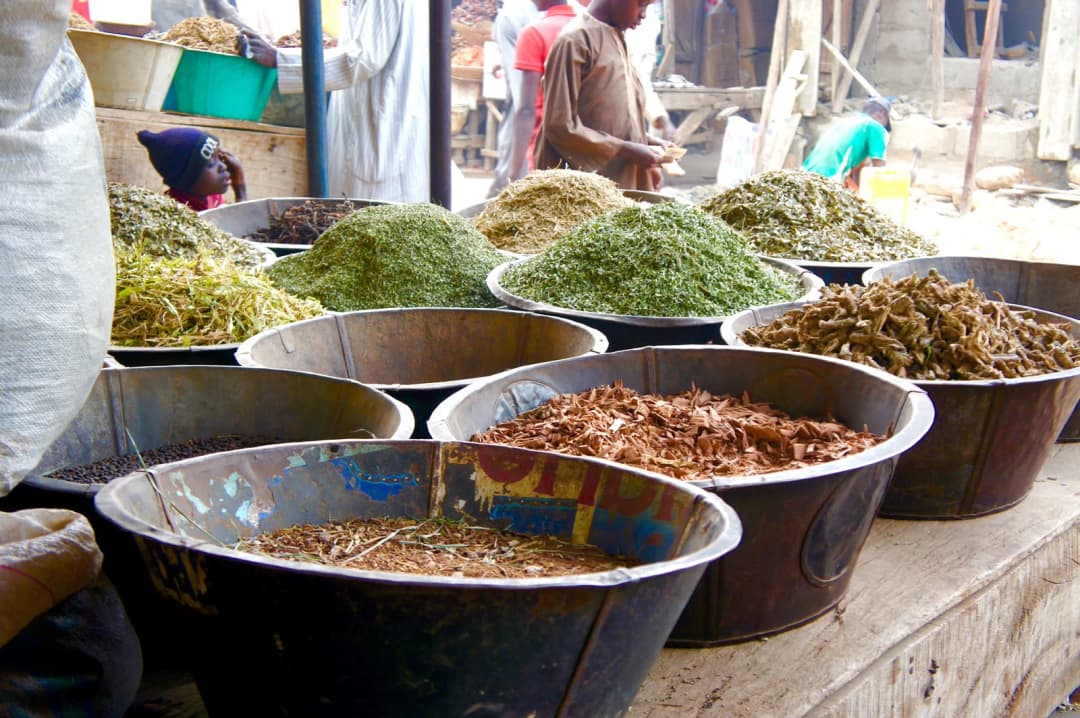
Before any scent goes in, there is a base — a dry, brown, unglamorous mixture that decides whether the stick will burn at all. In a workshop like the one in Samastipur where Mahamaya is made, the base is built from three things: a binding powder, usually jigat (the ground bark of Litsea glutinosa, though nobody at a workbench calls it that); charcoal powder, for a clean even burn; and a wood powder that gives the stick body.
None of this smells of much. That is the point. The base is the silence the fragrance sits in. If the base is wrong — too much charcoal, and the scent burns off in a hot rush before it opens; too little, and the stick smoulders, goes out, or turns the whole room grey and acrid — then it does not matter how good the fragrance is. You have to get the silence right before you add the notes.
Then the fragrance, in layers
Only after the base is settled does the aromatic material go in, and here is the part people misunderstand: a good fragrance is almost never one thing.
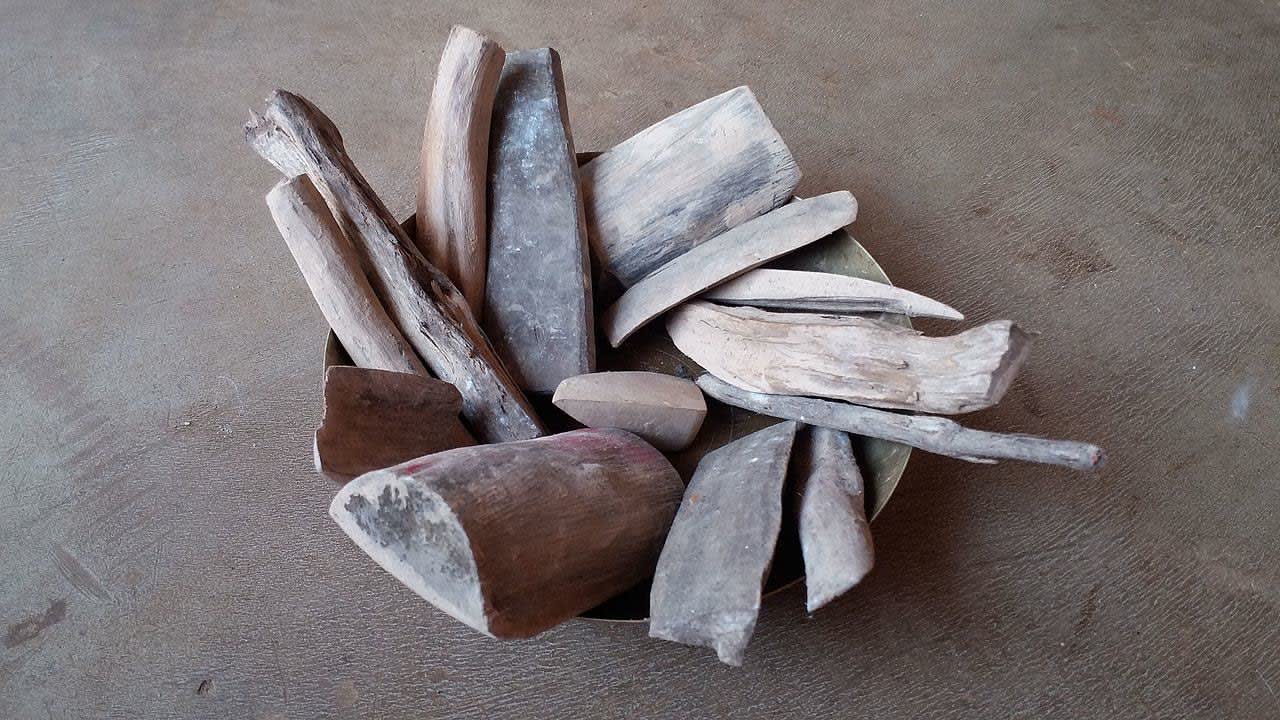
A sandalwood incense that is only sandalwood powder smells flat and a little dusty. What gives it that rounded, devotional warmth is a small measure of resin — often halmaddi, a soft grey resin tapped from the Ailanthus tree that darkens the paste and does something to the smoke that is hard to describe until you have smelled a batch made without it. Then a trace of an aromatic oil to lift the top. The sandalwood is the melody; the resin is the drone underneath it, the tanpura you stop noticing but would miss instantly if it stopped.
The temple blends work the same way. A fragrance built for the Char Dham range is not trying to smell like a shop — it is trying to smell like the inside of a stone shrine at altitude: cold air, old ghee lamps, wet flowers. You do not get there with one ingredient. You get there by deciding what the melody is, what holds it up from below, and what single bright note sits on top so the smell has somewhere to travel as it burns. Get the proportion wrong and the whole thing collapses into "generic sweet incense," which is the smell of a blend nobody thought about.
Why you weigh, and why weighing is not enough
Everything is weighed. There is a scale, and there are numbers, and a careful batch is written down. This matters more than it sounds — the difference between a fragrance that people recognise across three years of orders and one that quietly drifts is discipline about quantities. A blend that is remembered is a blend that was measured.
And yet the numbers are never the whole answer, for one stubborn reason: the raw materials are not the same twice. Sandalwood powder from one lot is oilier than the last. A resin arrives a shade darker. Humidity changes how much the paste can carry before it goes claggy. So the person composing works the way a musician tunes before a concert — the strings are at standard pitch, in theory, and you still put your ear to each one. A pinch adjusted by feel, a batch smelled wet and then smelled again dry, because a paste that is lovely wet can turn thin and sharp once the water leaves it.
This is the single hardest thing to teach. You can hand someone the recipe. You cannot hand them the afternoon they finally smell the difference between a blend that is balanced and one that is merely strong.
What goes wrong
Plenty, and most of it is invisible until the stick is lit.
- The top note vanishes. The fragrance is beautiful for the first minute and then gone — usually too much charcoal, or a delicate oil that could not survive the burn. A fragrance has to be built to release slowly, not to smell good on the workbench.
- The blend goes muddy. Too many ingredients, none of them given room. Like a singer ornamenting every note until you cannot hear the melody. Restraint is a skill; a two- or three-note blend, well judged, beats a crowded one every time.
- Batch drift. The scent slowly wanders over months because nobody wrote the quantities down, or the base changed and the fragrance was not re-tuned to it. The customer cannot name what is wrong. They just stop reordering.
- Rushing the rest. A freshly blended paste is not finished. It wants a little time for the resin and oils to settle into the base — an aging the way a fresh recording still needs mixing. Sticks rolled and burned the same day rarely smell the way they will in a week.
The test is always the same
You can trust the scale and the notes only so far. In the end there is one test, and it never changes: you light one. You let it burn in still air, and you sit with it the way you would sit with a phrase you are trying to learn — through the bright opening, the long steady middle, the last minutes when a good blend keeps its shape and a careless one falls apart. You do not judge an incense by its first thirty seconds any more than you judge a raga by its first line.
If you have ever noticed that a stick smelled wonderful when you lit it and like nothing at all halfway down, you were hearing a blend that was never composed for the whole length of its burn — only for the moment it was sold. The difference between that and one made carefully is not a longer list of ingredients. It is someone who sat with the smoke, all the way to the end, and decided it was right.
That is the whole craft, really. Not the recipe. The listening.


