
Jitiya: The Fast Mothers Keep Without Food or Water
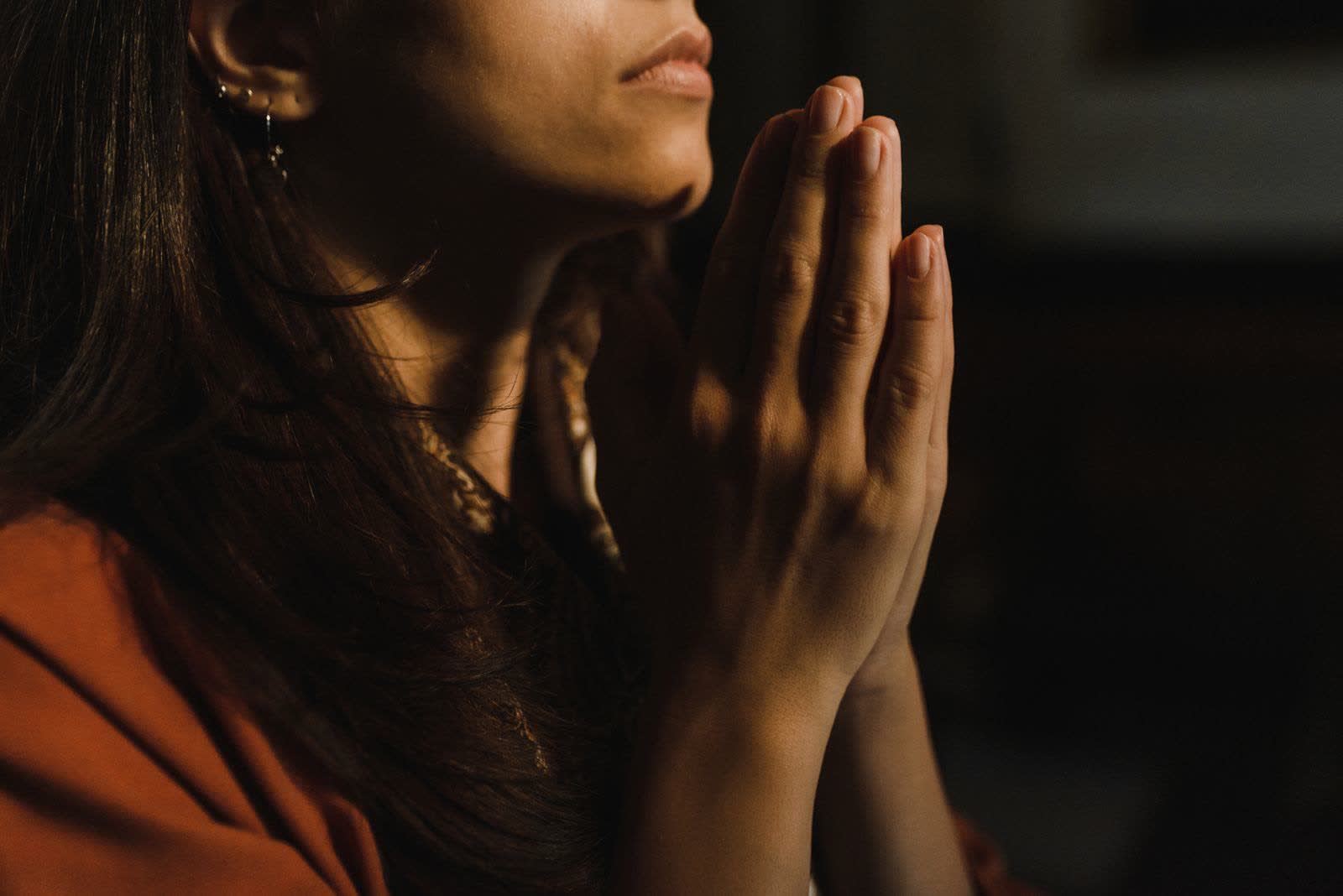
In our part of eastern Uttar Pradesh the paddy is still green in early October and the mornings have only just started to smell of woodsmoke again. That is the week Jitiya falls. If you did not grow up around it, you will probably meet it first as a piece of household news — somebody's mother has not drunk water since yesterday morning, and will not until tomorrow.
When it falls in 2026
Jitiya is kept on the eighth day of the dark fortnight. In 2026 the fasting day is Saturday, 3 October. The day before it, Friday 2 October, is Nahay-Khay. The fast is broken on the morning of Sunday 4 October.
The month gets two different names depending on which calendar your house follows. Where the month is counted from full moon to full moon, this is Ashwin Krishna Ashtami. Where it is counted from new moon to new moon, the same day is Bhadrapada Krishna Ashtami. It is one day with two addresses, and both panchangs are right.
By the Delhi panchang the Ashtami tithi begins at 07:59 on 3 October and ends at 05:51 on 4 October. Those clock times shift a little east to west, which is one reason two families in the same district can be told slightly different things.
Three days, not one
Nahay-Khay. The mother bathes, and eats once — vegetarian food, cooked with ghee, salted with sendha namak rather than ordinary salt. In most houses this is the last food until the fast ends.
Khur Jitiya. The fasting day itself. It is nirjala: no food and no water, through the day and through the night that follows. The katha is read in the evening.
Parana. Breaking it. Here practice genuinely diverges. Some households wait for the tithi to end and eat in the early morning; others go by a time their own pandit gives them; across the border in Nepal the fast is described as broken at the end of Ashtami the next day. I would not take a timing off the internet for this. Ask whoever in your family has kept it longest.
Who keeps it, and for whom
Mothers keep it, for the life of their children. That is the whole of it. It is not a fast for a husband's long life, which is what Teej and Karva Chauth are, and mixing the three up is the commonest mistake outsiders make.
It runs through eastern Uttar Pradesh, Bihar and Jharkhand, and across the border through the Nepal Terai — Mithila, Bhojpur, Tharu households. In Bhojpuri the word comes out as jiutiya more often than jitiya.
The Sanskrit name says putrika, sons. What people actually say in our lanes is bachchon ke liye, for the children. I am not going to pretend those are the same sentence. They are not, and the distance between the old name and the ordinary one is real.
The story, and the other story
The katha read on the fasting day is Jimutavahana's. He was a Vidyadhara prince who found a naga woman weeping because her son Shankhachuda was owed that day to Garuda, who ate one serpent daily. Jimutavahana lay down on the rock in the boy's place. Garuda carried him off, realised partway through what he had hold of, and stopped — gave up eating serpents altogether and revived the dead ones. The name Jivitputrika, the one that keeps a son alive, is read back out of that.
Then there is the story people actually tell each other here: the chil and the siyarin, a kite and a she-jackal, friends in a forest by the Narmada. They watched women keeping the vrat and decided to keep it themselves. The kite held out. The jackal smelled cooking and ate in secret. In the next birth the kite's children lived and the jackal's did not.
The two do not sit together comfortably. One is a prince's self-sacrifice; the other is a blunt fable about whether you meant it. Some retellings claim the chil-siyarin tale for the Padma Purana; I have not found that confirmed anywhere I trust, and I have also heard it told as plain village folklore with no book behind it at all. I have not been able to settle that, and I am not going to pretend otherwise.
What is eaten afterwards
The parana plate is worth knowing about, because it is the part nobody writes down. Jhor bhaat — rice with a thin curry poured over it. Noni saag, a wild green that comes up on its own around here. And marua roti, made from finger millet.
Marua is worth a sentence of its own. It grows on land that will not carry much else, and it was ordinary food in these districts long before anybody started selling it as something to be proud of. On the morning after Jitiya it is not health food. It is just what is made.
I should say plainly that I have never kept this fast and will not be keeping it. What I have written is what is done in my mother's house and what women who keep it describe. Whether anyone should go a full day and night without water is not mine to advise on, and in plenty of households the older women and anyone unwell are told to drink.
The evening before
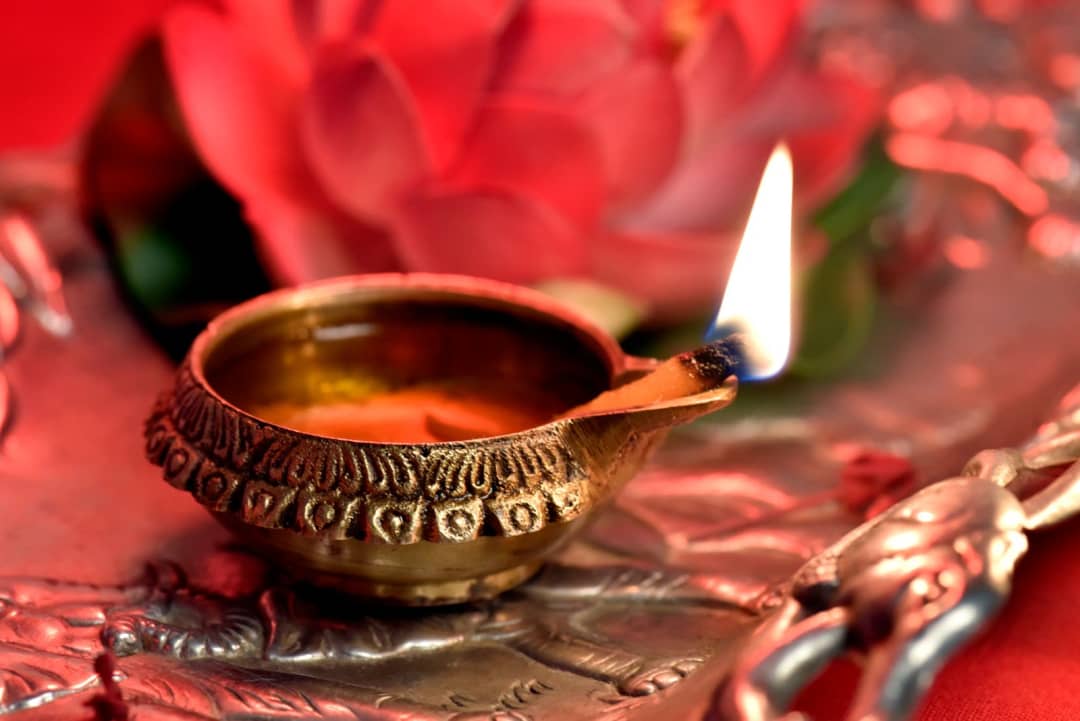
The house is swept early. The lamp is lit before dark, the katha is read aloud, and in most homes a stick of agarbatti is put in front of the lamp and left to burn down while the story is told. None of it is elaborate. It is a small lamp on a clean floor and somebody reading out loud while the room fills up.
It is not Chhath, and it is not Hal Shashthi
Chhath comes in Kartik, a month and a half later, is addressed to the sun, and is kept by men as well as women. The photographs look similar because both bring people to the water at the same hours, which is exactly how they get confused.
Hal Shashthi, which some houses call Lalahi Chhath, is the nearer relative — another mothers' fast, earlier in the year, with its own rule about which grain may not be eaten. We have written about Hal Shashthi separately.
About the water
One thing has to be said, because the date is close. On 26 September 2024, during Jivitputrika observances, 46 people drowned across 15 districts of Bihar — 37 of them children, 7 of them women. The rivers were high with the last of the monsoon. District officials said afterwards that most of the deaths happened away from the ghats the administration had marked and staffed, and the state announced compensation for each family.
The rivers here are usually still full in early October. If your family bathes for Nahay-Khay, go to the ghat the district has marked, and go while it is light.
Jitiya asks a great deal of the person keeping it and almost nothing of everybody else — a swept floor, a lamp, and the patience to sit through a story you already know the end of. In most houses on the night of 3 October, that will be the whole of it.


