
Randhan Chhath: The Day Before the Stove Rested
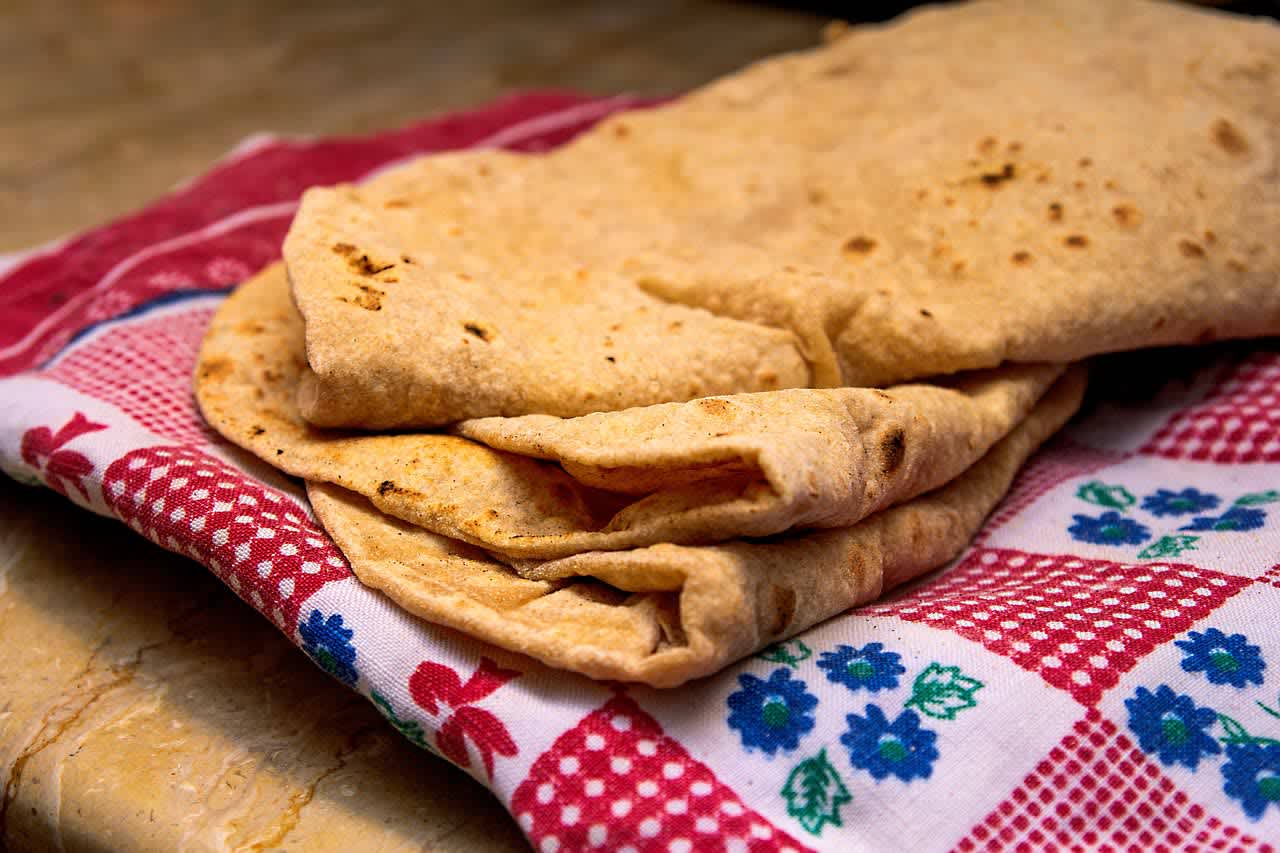
There was one day every Shravan when my grandmother cooked as if the whole street were coming to eat. She was not, as a rule, an extravagant cook. On an ordinary day it was one shaak, one dal, rotli hot off the tavi one at a time so no one ever ate a cold one. But on this day the kitchen in our Ahmedabad house filled with more food than the four of us could finish in two days, and she made every bit of it before the afternoon was out, sweating over the gas with her sari end tucked into her waist, and would not let anyone hurry her.
I asked her once, as a child, why she was cooking so much when no guests were coming. She said, without looking up from the kadai, that tomorrow the stove had to rest. Tomorrow Shitala Mata would come, and you do not light a fire in the house of a goddess who has come to cool it.
That day is Randhan Chhath. The day after is Shitala Satam. Between them they hold one of the gentlest ideas in the Gujarati calendar — that once a year the fire in the kitchen is put out on purpose, and the family eats cold, and is glad to.
What Randhan Chhath actually is
Randhan Chhath falls on the sixth day of the dark fortnight of Shravan — chhath is the sixth, randhan is cooking. In 2026 it lands on the 2nd of September, with Shitala Satam the following day. It sits in the last stretch of Shravan, in the days just before Janmashtami, when the monsoon is thinning and the whole month has already been given over to Shiva and to fasting. Randhan Chhath is not a fast. It is the opposite. It is the one day you cook the most.
The logic is simple and it runs backwards from the next morning. On Shitala Satam no fire may be lit — no stove, no flame, nothing heated. So everything that will be eaten on that day has to exist before this day ends. My grandmother's marathon was not showing off. It was arithmetic. She was cooking two days of food in one afternoon, and it all had to be the kind of food that would still be good the next day, eaten at room temperature, cooked in the knowledge that it would sit overnight.
So the menu chose itself. Thepla, which only gets better the second day, stacked in a steel dabba with a cloth between the layers. Bajra na rotla and sweet dhebra. A dry bataka nu shaak that would not spoil. Sukhi puri and thick methi thepla, sheera made in a great heavy pan, sometimes sabudana, sometimes vada. Mithu dhebru, the sweet millet flatbread, was the one I waited for. Nothing watery, nothing that needed reheating to be worth eating. Food built to keep.
The stove, cleaned and put to sleep
When the cooking was finally done — and it was done all at once, not trailing into the evening — came the part I did not understand for years and now think about more than any of it.
My grandmother would clean the stove. Not a wipe. A proper cleaning, the old earthen chulha in the corner that by my childhood was mostly ceremonial, scrubbed and then smoothed over with cow dung, the way a floor is prepared for something sacred. The ash was left in it. On the cooled ash she would set a little curd, and press in a few seeds of cotton. And then the stove was left alone.
The belief she grew up with, and half-passed to me, is that Shitala Mata comes in the night and rests on that ash — that she rolls in the cool ash of a kitchen that has stopped burning, and blesses the house that made room for her. You do not disturb a goddess who has lain down in your hearth. So the fire stays out.
I have come to think the ritual is honest about something we usually hide from. A kitchen fire is the working heart of a house, and it almost never stops. Someone is always boiling milk, warming water, making one more cup of tea. Randhan Chhath is the single night in the year when that heart is deliberately allowed to go cold, cleaned and crowned and left in peace. There is a tenderness in it — toward the stove, toward the woman who stands at it every day of her life, toward the idea that even the fire deserves one night off.
Shitala Satam, and the cold plate
The next morning the house woke to a kitchen it could not use. This was the strangest and best part of the whole thing when I was small: a morning with no smell of cooking in it. No hiss of the tavi, no first cup of chai made fresh. Just the quiet, and the dabbas from yesterday brought out and opened.
We ate cold thepla with yesterday's shaak, cold dhebra, a piece of sheera gone dense and even better for it. My grandmother would take a plate of the same food to the small mandir and to Shitala Mata, whose image — the goddess seated on her donkey, a broom and a small pot in her hands — sat in many Gujarati homes and at the neighbourhood shrine. Women went to the Shitala Mata temple that morning, carrying cooled food, offering it, keeping the day.
Shitala means the cool one, the one who soothes. She is an old goddess, from the hot months and the fevers they used to bring, worshipped across north and western India as the one who keeps a household cool and well through the fierce end of the year. I will not put words into scripture I don't fully know, but the shape of her worship is unmistakable and it is all of a piece: cool food, a cold hearth, a goddess of coolness asked to sit in the house and settle it. In a Shravan that has been all rain and heat and fasting, Shitala Satam is the family saying, quietly, let it be cool now.
What the cold food taught me
For a long time I thought Randhan Chhath was just a lot of work and Shitala Satam just a day of leftovers with a nice reason attached. I was wrong in the way children are usually wrong about their grandmothers.
What the two days actually do is make you notice the fire by taking it away. You cannot value a warm kitchen until you have sat in a cold one and eaten yesterday's thepla in the morning light and found it, to your surprise, entirely enough. The abundance of Randhan Chhath and the restraint of Shitala Satam are the same lesson from two sides — cook with love, then let the stove rest; feed the house, then trust what you made yesterday to carry you through today.
When I keep the day now, in my own kitchen, I do the small things I remember. I cook the day before. I make more thepla than seems sensible. On the morning itself I don't light the stove, and I light a little incense instead at the small shelf where Shitala Mata sits — a soft, cool sandalwood, nothing sharp — because a house that will make no cooking-smell all day still likes to smell like something, and a quiet natural fragrance is the right kind of nothing. Then we eat cold, and I think of my grandmother turned toward the ash, and the stove sleeping in the corner with its curd and its few seeds of cotton.
If you keep Randhan Chhath this year, the practical part is the easy part: cook the keeping foods, cook them the day before, and let tomorrow be cold. The other part — cleaning the fire and giving it a night off, and being grateful for what yesterday's hands made — takes no recipe at all. It only takes remembering to do it.


