
Kati Bihu 2026: The Bihu With No Feast and No Dance
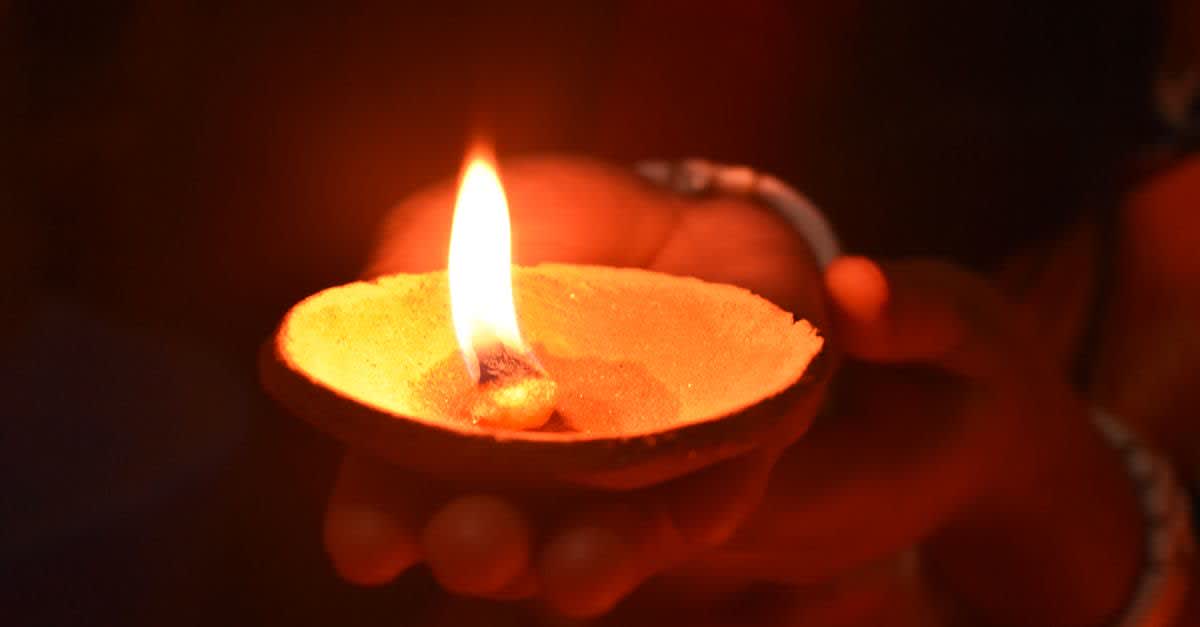
Assam keeps three Bihus, and most people outside the state have heard of two. Bohag Bihu in April is the one with the dhol and the dancing and the new year. Magh Bihu in January is the one with the bonfires and the eating. Between them sits Kati Bihu, which this year falls on Sunday 18 October 2026, and which has no dancing, no feast, no procession and almost nothing to photograph. An earthen lamp goes into a courtyard at dusk. That is most of it.
I am going to argue it is the most useful of the three.
I should say where I am standing first. I am from Bhopal. I have never been in an Assamese courtyard in Kati, I do not speak Assamese, and the closest I have come to a paddy field is the road running beside one. What follows is what the accounts say and what I think about it, which is a different thing from knowing it.
The month the name comes from
Kati is the Assamese month, the name worn down from Kartika. The festival is the first day of it, fixed by the sankranti when the sun moves into Libra rather than by any tithi you would look up for a puja.
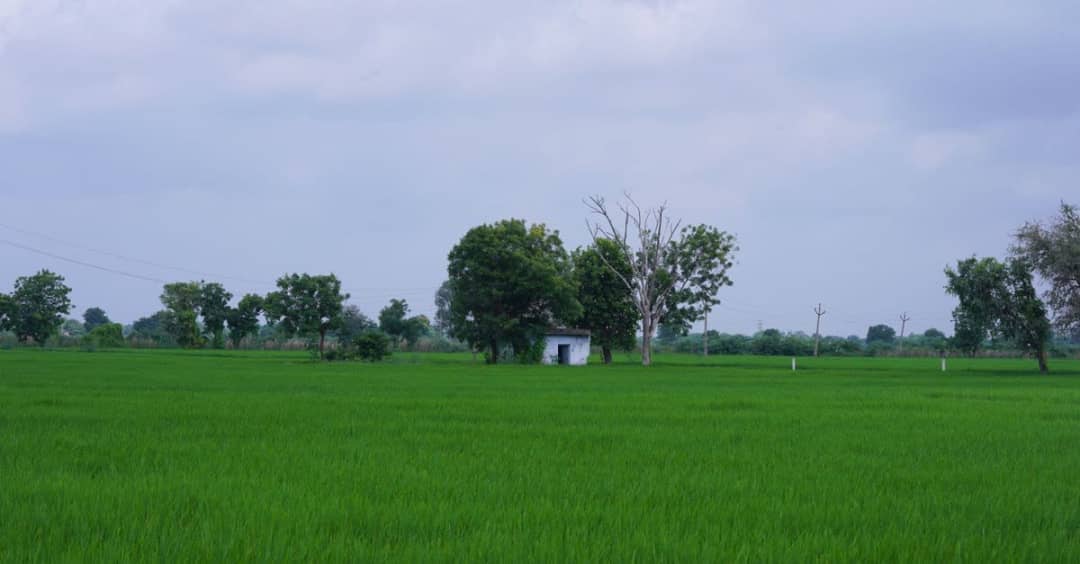
That date is doing real work. By mid-October the paddy is standing in the field, green, not yet eared, months away from being cut. Last year's rice, meanwhile, is nearly finished. The household is at the widest gap in its whole year between what it has and what it is going to have — the crop visible from the doorway, and not one grain of it available.
Kongali, which means poor
The festival's other name is Kongali Bihu, and kongali means poor, wanting, short of things. It is not a metaphor. It is a flat description of the store room, printed on the calendar.
Sit with how unusual that is. Festival names commemorate a victory, a god, a birth, a return, a harvest. This one names a shortage and does not apologise for it. Nobody has dressed the day up as anything other than what it is: the hungry stretch, arriving on schedule, every year, in a month everyone can see coming.
What is actually done
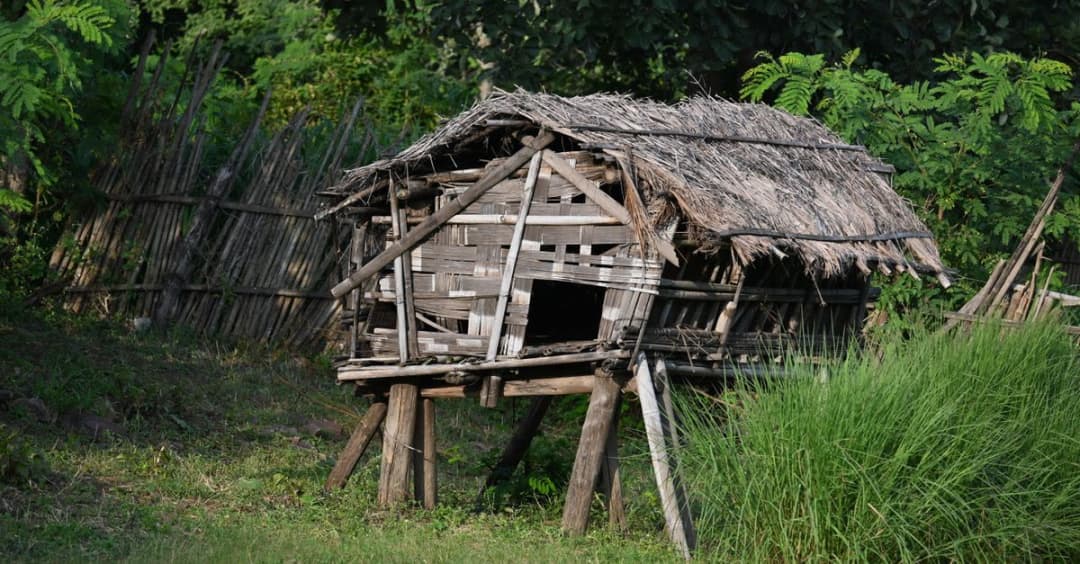
Earthen lamps — saki — are lit at dusk. One at the foot of the household tulsi on its raised bheti, one at the granary, one in the bari, the kitchen garden, and lamps out in the paddy itself.
Written down like that it sounds like nothing, and the sounding-like-nothing is the point. In much of India an evening lamp is a daily, unremarkable act, the ordinary close of the day rather than an event. On Kati Bihu the ordinary evening lamp is promoted: for one day it stops being the frame around the observance and becomes the whole of it.
The lamp on the pole
The one thing in the day that is visibly a festival is the akash banti — a lamp fixed at the tip of a tall bamboo pole and raised standing over the field. It burns above a crop that is not ready, in the dark, where nobody much is watching.
Two answers, and they belong to two different lamps
Ask why the lamps are lit and you get two explanations, usually run together into one.
The sky lamp on its pole is explained as showing the souls of the dead their way — a reason with close parallels well outside Assam, and outside India, in places that never had any contact with it. The lamps set around the paddy get an entirely practical account: flame draws insects, insects come to the flame instead of the crop, and the row of lamps works as a rough insecticide.
Notice that these are not rival explanations of one act. They are explanations of two different lamps, in two different places, doing two different jobs. Most retellings flatten them into a single tidy reason, and I think the flattening loses the more interesting thing. I am not going to try to settle which of them is older.
The bamboo and the chant
Alongside the lamps, cultivators whirl a piece of bamboo over the standing paddy and recite the rowa-khowa chants — spells, in plain terms, against pests and against the evil eye.
Again, one gesture, two jobs. Pests are a problem with a mechanism. The evil eye is not. Nobody standing in that field at dusk appears to find the pairing awkward, and I do not think they are being sloppy. They are hedging against everything that could take the crop, using the tools available for each kind of risk, and declining to rank them.
The cattle eat first
In the evening the cattle are fed pitha, rice items made for them. The full version of this belongs to the April Bihu, when the animals are washed at the river and fed properly; what survives in Kati is the small remaining piece of it.
It is the detail I would keep if I could keep only one. In the leanest month of the year, in a house counting what is left of last year's rice, somebody still cooks something for the animals.
Why I think it is the one worth knowing about
Here is the argument. Nearly every practice we recommend to ourselves is scheduled for the good moment. The new year, the fresh start, the reset, the clean slate, the feast at the end of the harvest. Those are the days it is easy to keep anything, because the keeping is being carried along by the occasion.
Kati Bihu is scheduled for the exact opposite. Nothing has arrived. Nothing is finished. There is no news and there will be none for months. And the response the day prescribes is not to wait it out, and not to grit anything, but to do one small, exact, repeatable thing at dusk and then go in.
A practice that only runs when things are going well is not a practice. It is a mood with good timing.
The obvious objection
Which I have to concede, because it is a strong one. This is very easy to admire from a city where the rice is in a shop three streets away. A household actually at the bottom of its store would trade the whole beautiful austere festival for a full granary without pausing to think about it, and they would be right. The lean month is not a teaching. It is a hardship, and it is not mine.
So let me narrow the claim. The festival is not celebrating the shortage — nothing in it praises going without. It is what people do inside one, when the situation has not improved and will not improve for a while, and something still has to be done at the end of the day. That is the part that travels. The scarcity does not, and should not.
What the name does not tell you
The word Bihu itself is unsettled. The derivation most often quoted traces it to the Deori word bisu, carrying a sense of excessive joy. Another ties it to ahu rice and to cultivators guarding the crop, passing the hours with singing. The festivals are generally read as older than the religious frame now around them, a mixture of traditions layered over a farming year.
I cannot adjudicate that, and I notice the joke in it either way: the most repeated etymology of Bihu means something close to great joy, and the Bihu I have spent this article on has none in it at all.
One lamp, at the worst time of the year
On the evening of 18 October, somewhere in Assam, a lamp will go up a bamboo pole and stand over a field that will not be cut for months. Nothing will be resolved by it. Nobody will be any less short of rice on the nineteenth.
That is the part I keep returning to. The lamp is not lit because the situation improved. It is lit because it is dusk, because the field is still out there, and because this is the day for it. If you keep some small evening thing of your own, the thin weeks are the ones it was for.


